
County adopts data center moratorium
Commissioners agree to form committee to study the issue

This article is brought to you by the Community Foundation Serving Howard, Clinton, and Carroll Counties. August is National Make-A-Will Month, a reminder that creating a will is about more than deciding what happens to your belongings.
A will gives you the opportunity to make your wishes clear, provide for the people you love and make thoughtful decisions about the future. It can also be a way to carry forward the values and causes that have been important throughout your life.
For those who choose to include charitable giving in their estate plans, the Community Foundation can help explore ways to support local students, nonprofits, community needs and other causes that matter to you. Explore charitable giving resources at cfhoward.org by visiting the Donors section of our website.

Data centers were at the center of local government action on Aug. 18, and while the Howard County Board of Commissioners may not have been the headliner on the “Moratorium Tour,” they were the most impactful.
The commissioners voted unanimously to enact a one-year moratorium on data centers, leaving them time to study the issue and develop regulations to govern their development. The action came after the Howard County Planning Commission made a nearly unanimous favorable recommendation for the measure earlier this month.
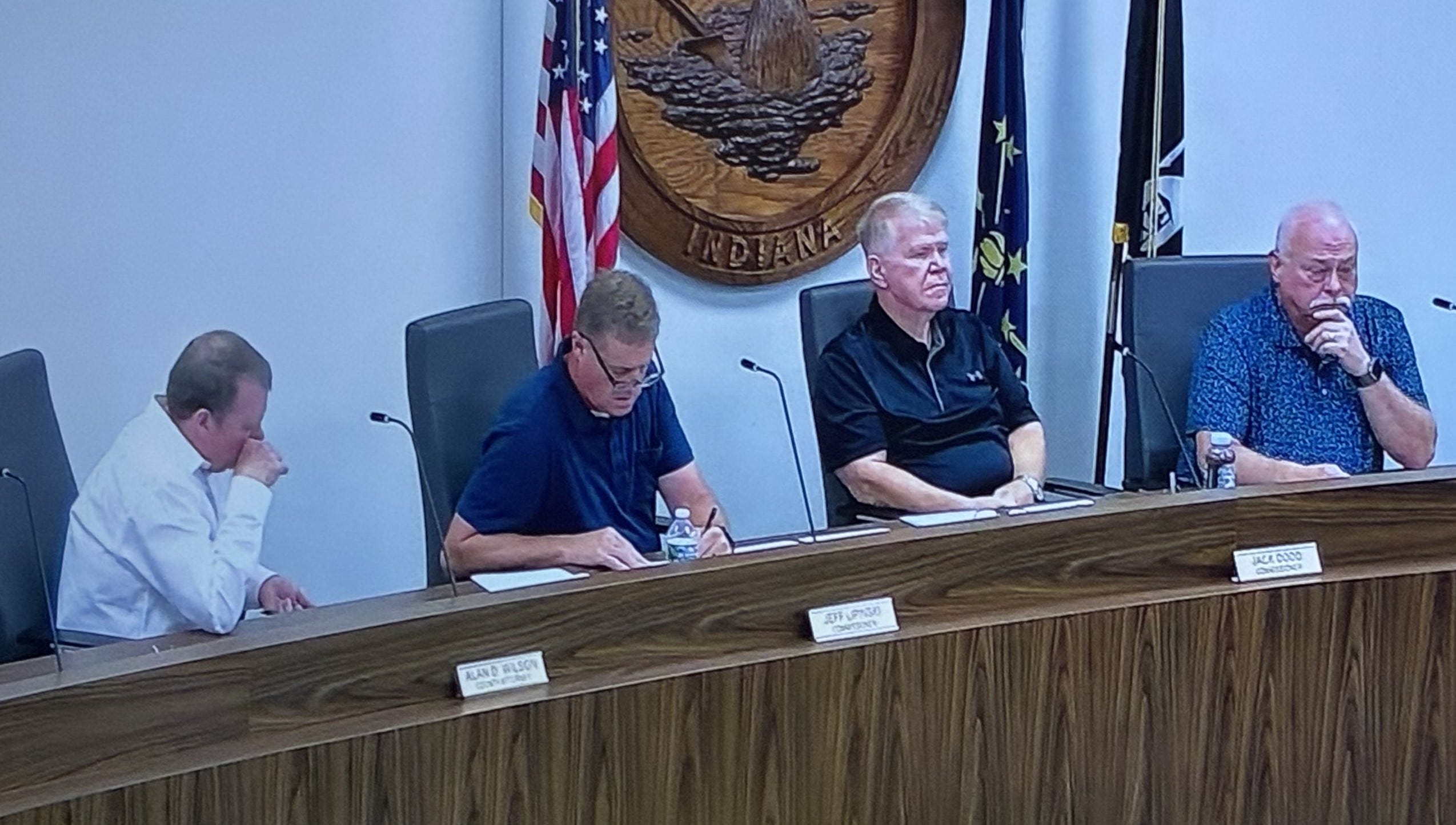
Howard County Attorney Alan Wilson introduced the legislation for the commissioners’ consideration.
“This is a temporary moratorium that lasts for one year,” said Wilson. “It allows the commissioners to study at length data centers and how the best way is to regulate those data centers. It does not allow anyone to apply for and accept or obtain any permits for data centers while the moratorium is in effect.
“There are 17 counties already that have adopted similar moratoriums. I also want to make clear that we’ve not had any company say, ‘We want to build a moratorium in the unincorporated portions of Howard County.’ No one is coming. There are no applications pending, but we want to get ahead of the situation.”
Commissioner Jack Dodd welcomed the legislation, stating the board’s anticipation for the moratorium.
“We’ve been talking about this for quite some time, even before any annexation happened,” said Dodd. “People don’t realize that, but it is true. We did learn that it needed to go to our planning commission, and now we are ready to institute this moratorium so that we can write an ordinance with knowledge, with research, and with careful thought.”
Commissioner Jeff Lipinski asked about the duration of the moratoria in the 17 other counties. Wilson explained that most adopted a one-year ban, while some went 18 months, and one adopted a two-year moratorium. He also explained that the county can lift the restriction earlier than one year should the commissioners develop a regulatory ordinance in a shorter time period. The moratorium also can be extended, if needed, he said.
During public comment, community member Devon Rush asked why data centers, which qualify to be developed in Heavy Industrial zoning, require a moratorium and additional regulations. Wilson explained the county’s position.
“Data centers are so unique that we don’t believe our zoning ordinance sufficiently covers regulation of those industries,” said Wilson. “Data centers are huge enterprises; they may or may not have a deleterious effect on our resources and our infrastructure. So, to that extent, they’re very unique and really aren’t covered by the normal zoning process. So, we have an opportunity to regulate that business as a unique business.”
Dodd then admitted that the commissioners need to educate themselves on data centers before taking further action.
“We’re not experts in this, and we don’t know enough about it to say it’s good, it’s bad, it’s right, it’s wrong,” said Dodd. “That’s the purpose, to give us an opportunity to research and to study and to find out so we can write an ordinance that matters, that is backed by education, by research.”
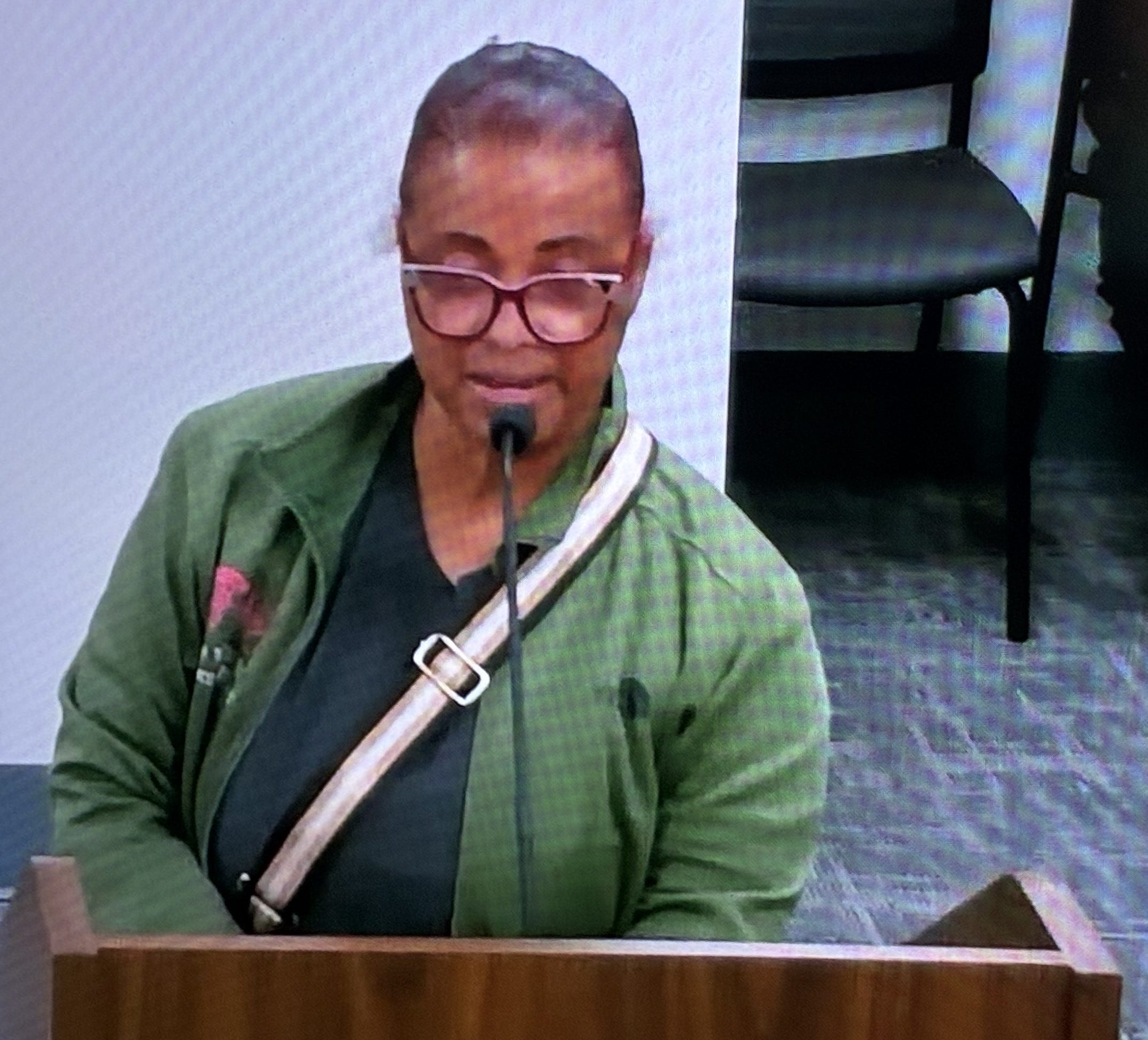
How data centers will be studied became a contentious issue as public comment continued. Lisa Washington, who is running for a seat on the Howard County Board of Commissioners, asked about the formation of a committee to study the issue.
“Will there be a committee formed with some of the residents?” asked Washington. “Like many of us, I don’t know a lot about it. What I do know is I had a daughter who recently graduated in this field. Is there a plan to bring in community members who might have some knowledge on this? Is a committee going to be formed?”
Dodd immediately opposed the idea, believing that committees slow the process. Making clear that he only spoke for himself and not the board, he stated a preference for written public responses and input.
“It’s hard to get a committee together and get a consensus because you’re going to get people varying opinions,” said Dodd. “What we did with the BESS (Battery Energy Storage Systems) is we allowed the people to put in comments. I’ve read every comment that comes in, and I take all comments seriously.
“Some comments have been, ‘We don’t want this.’ Other comments have been very detailed and informed and helpful. I’m not one in big favor of doing committees, but I am in favor of getting comments from people. I’d rather have written comments that I can go back and review.”
Washington persisted in the idea that a committee should be formed to study the issue. Lipinski spoke up and conditionally sided with his political opponent. And Commissioner Brad Bray volunteered to chair the committee.
“I think your point is well taken,” said Lipinski. “I’m going to go back and read the minutes of the plan commission, and see what specifically was said. If they said there would be a committee established, then we will do that.”
Cheryl Graham, who serves as the president of the Howard County Planning Commission, then spoke in favor of a study committee.
“I’ve been involved with planning for over 30 years,” said Graham. “We did the solar ordinance. We did the comprehensive plans for both the county and for the city. Normally, and none of us know about all of those things. There are so many complex things about them.
“Having a committee isn’t about consensus. In the end, you’re still going to vote on it. It’s about everybody who knows different things to come to the table; developing an ordinance with the expertise of the people who know how all of those things interact. There are different fields of expertise that can bring knowledge to the table.”
Seeing the growing sentiment in favor of a committee, Dodd relented and agreed that a committee should be formed. With the issue resolved, the commissioners voted unanimously to enact a one-year moratorium on data centers.