
Point in Time Count needs your help
Also, Community First named lender of the year

This article is brought to you by Ivy Tech Community College - Kokomo Region.

The annual Point in Time Count of the community’s homeless population will take place January 28-29, and organizers are looking for people willing to volunteer their time to help.
The count is organized by the Indiana Housing and Community Development Authority and the Region 5 Planning Council on Homelessness, represented locally by the Family Service Association of Howard County (FSA). They are looking for people or groups willing to help post flyers in areas the homeless often frequent, as well as people willing to help on the day of the count by staffing survey sites.
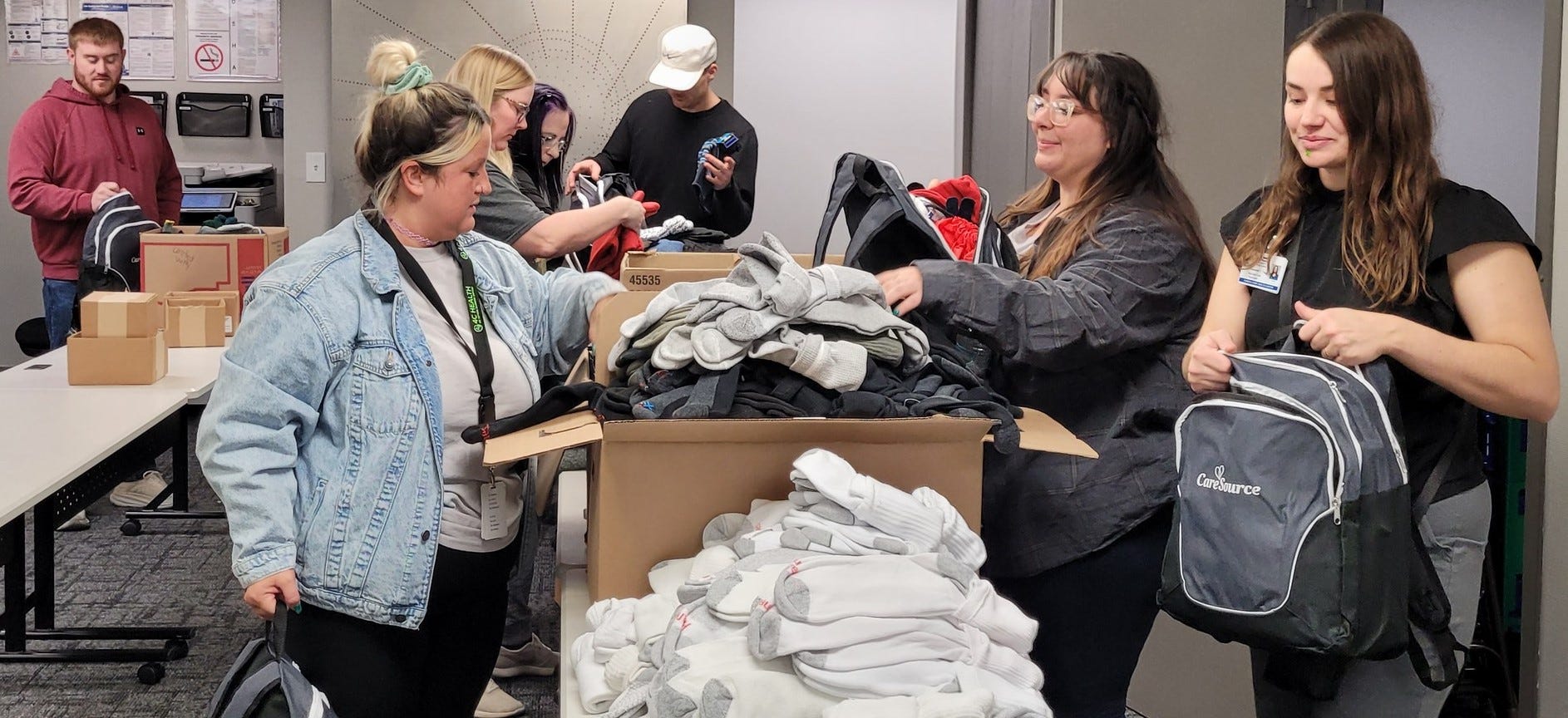
The FSA also is seeking donations of needed items to provide to the homeless as part of the counting effort.
According to FSA executive director Angie Ciski, the annual count helps inform government of the need for funding to address homelessness in communities across the country.
“This count is extremely important for Region 5 (Howard, Miami, Tipton, Cass, and Wabash counties) to be able to show the true scope of homelessness in our communities,” said Ciski.
Homelessness, for the purposes on this count, includes anyone staying in emergency shelters and transitional housing programs as well as those staying in places “not meant for human habitation,” such as cars, parks, abandoned buildings, and public places. People staying with friends or acquaintances, “couch surfing,” are not considered homeless for the purposes of this count, Ciski said.
“If you are unsure if someone is considered homeless, please feel free to reach out,” said Ciski. “We are surveying people as to where they slept on the night of January 28 and want to reach out to those who are truly homeless under the HUD criteria.”
There will be “Street Outreach Teams” seeking to make contact with the homeless on Jan. 28 prior to the survey sites opening on Jan. 29. The survey sites include: the Kokomo Rescue Mission, 321 W. Mulberry St., from 11:30 a.m. until 6 p.m.; Coordinated Assistance Ministries CAM, 625 N. Union St., from 8:30 a.m. until 4:30 p.m.; and Turning Point/Recovery Café, 1234 N. Courtland Ave., from 9 a.m. until 4 p.m.
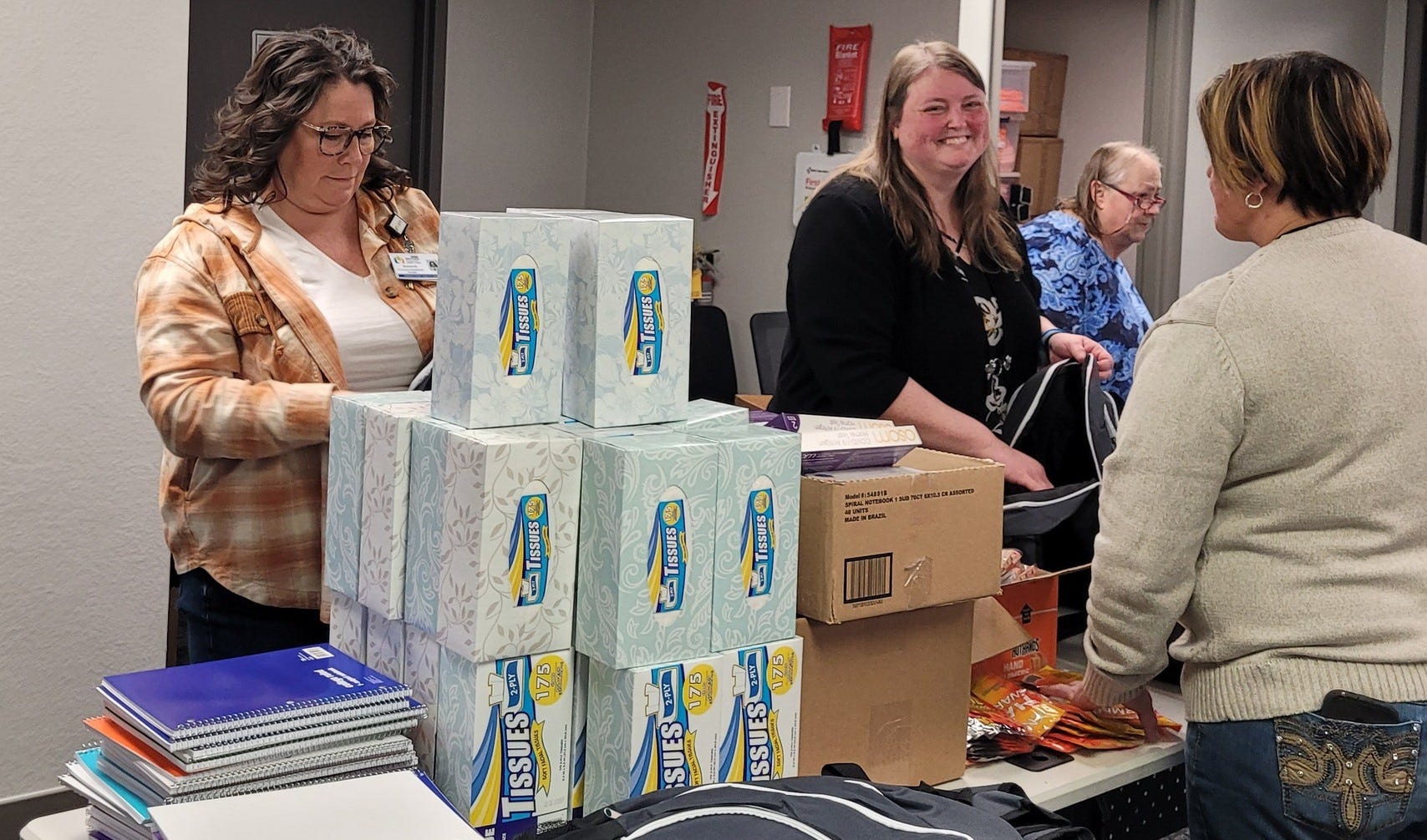
Those surveyed will be provided with a care package that may include a backpack, feminine hygiene products, small and large plastic bags and large trash bags, travel-size hygiene items, toilet paper, non-perishable food, bandages and aspirin, blankets, pillows, sleeping bags, winter clothing and boots, gift cards to restaurants, gas cards, duct tape, and batteries.
People interested in donating items to help fill these care packages are asked to contact Ciski by emailing angelac@fsahs.org, by calling 765-513-8504, or contacting Jason Mitchell of Emmaus Mission via email at jason@logan-emmaus.org or by calling 574-739-0107.
“If you know of any who are homeless prior to or after this count, please contact me or someone from the Planning Council so shelter referrals can be given,” said Ciski.
Community First named lender of the year
Community First Bank of Indiana (CFB) is proud to announce its recognition as the Indiana Statewide Certified Development Corporation (ISCDC) Small Business Lender of the Year for 2025. This honor celebrates CFB’s ongoing commitment to supporting local businesses and fostering economic growth throughout Indiana.
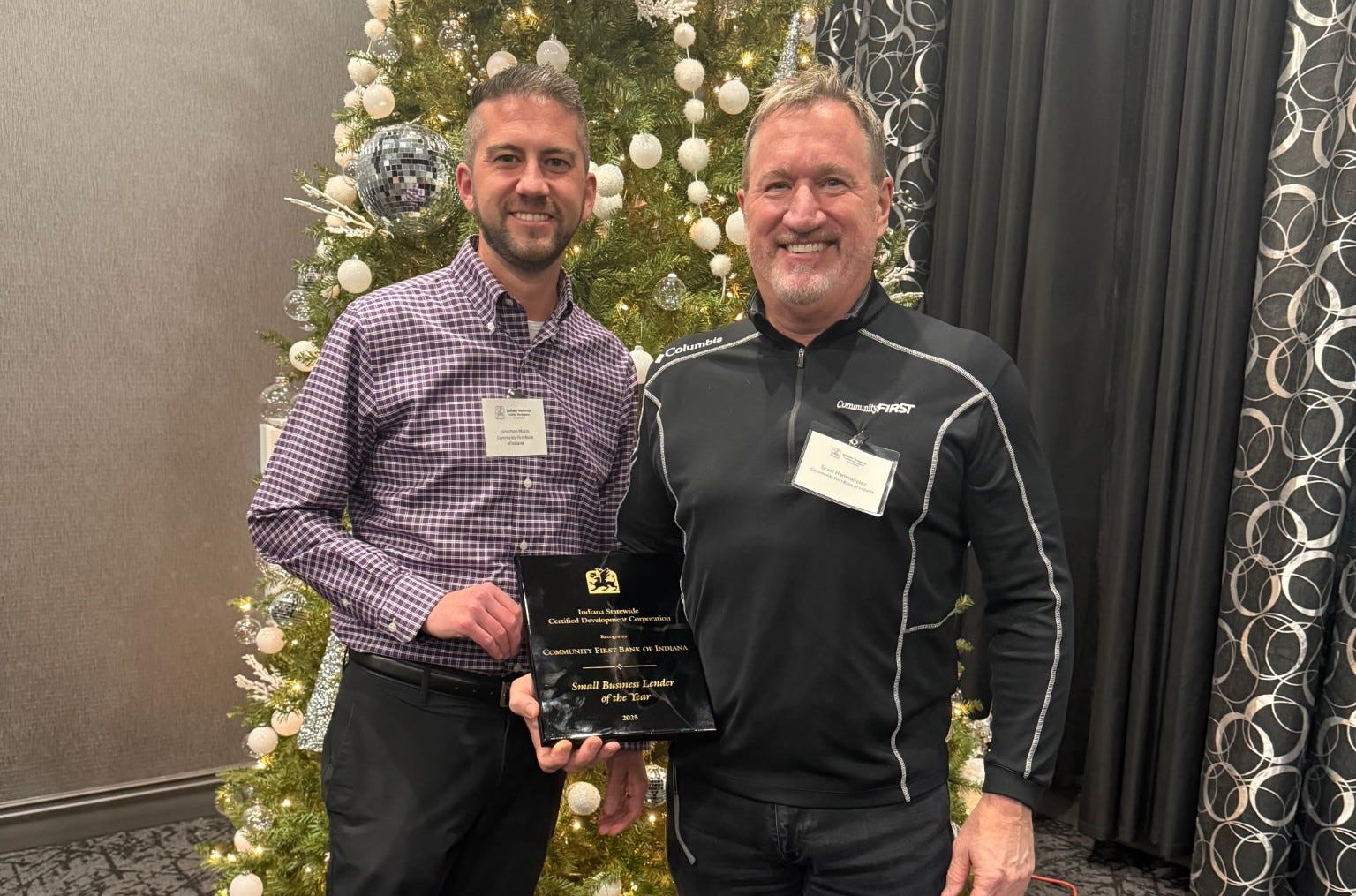
This year’s award marks another milestone in CFB’s history of service to small businesses, having previously earned the Small Business Lender of the Year title in 2014, 2016, and 2022, and being named runner-up in 2024.
The ISCDC award recognizes institutions that make a significant impact through the SBA 504 loan program, which helps small business owners access affordable financing for real estate, buildings, and equipment. CFB’s dedication to local reinvestment is at the heart of its mission. By partnering with small businesses, CFB not only provides essential financial resources but also reinvests in the neighborhoods it serves, supporting the growth of local businesses and strengthening the community.
The Point in Time Count methodology always feels like a catch-22 for funding allocation. The HUD criteria exclude couch surfers, but those folks are often one argument away from the street, and the count misses them entirely. From what Ive seen in similar community initiatives, the real number is usually way higher than what gets reported, which means resources get allocated based on an incomplete picture of need.